


Volume Discounts
Buy more, save more
Popular Dispensers

What Makes Kuishi Amber Glass Soap Dispensers the best
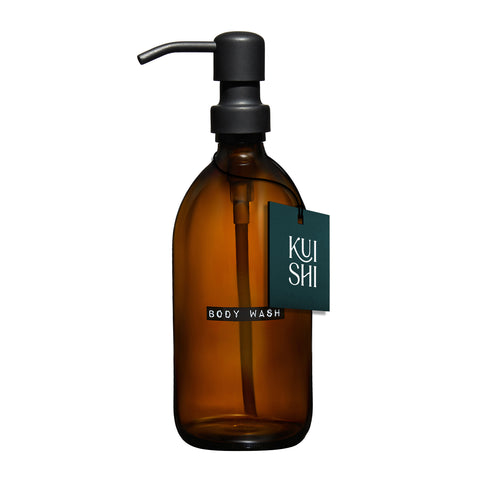
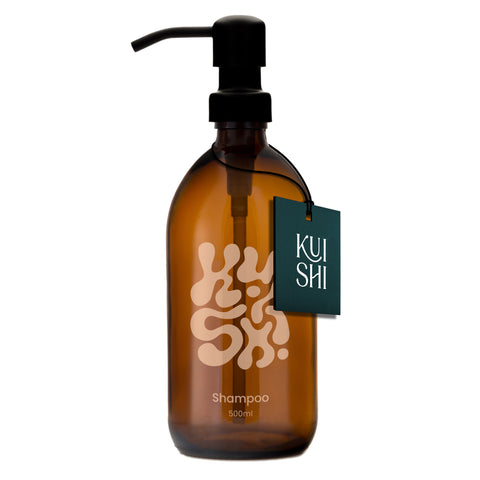
Quality Pumps, Luxury Finishes, SustainableKuishi pumps are used in Luxury properties and Hotels across the world.
Our stainless steel pumps have a 304 grade stainless steel outer and spout and a smooth pressing action.
Our quality plastic pumps are made BPS free plastic and are one of the most reliable pumps in the industry.
All of our pumps come with a 12 month warranty
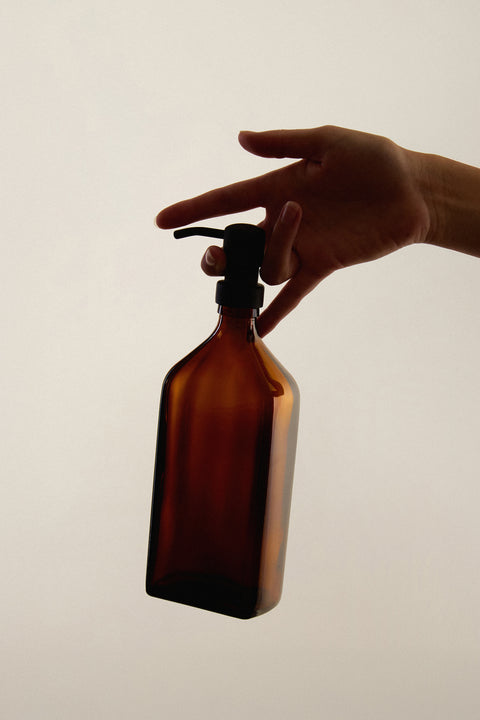
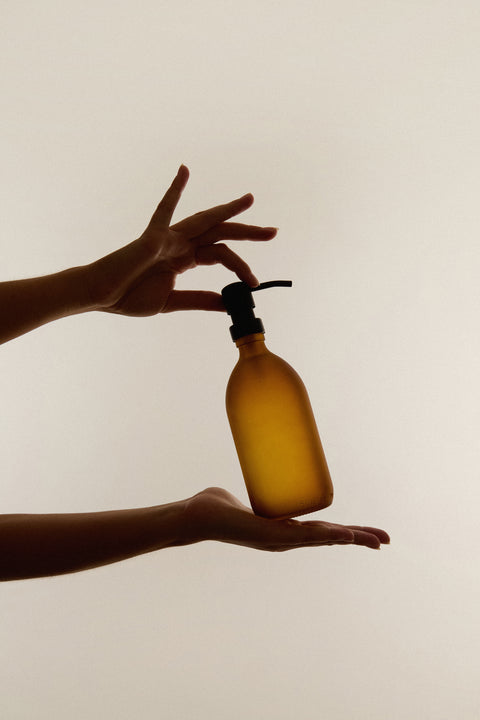
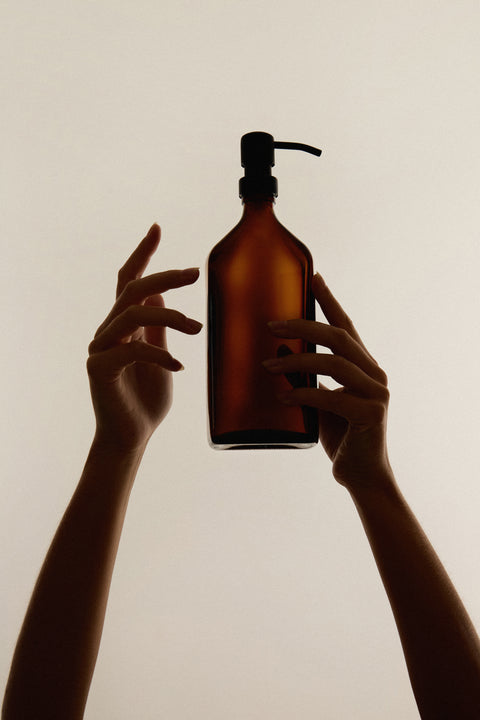
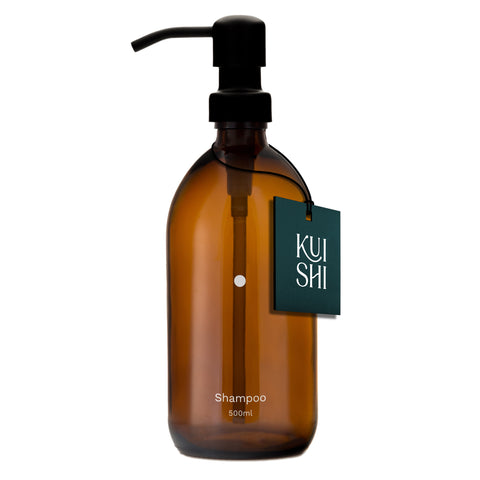
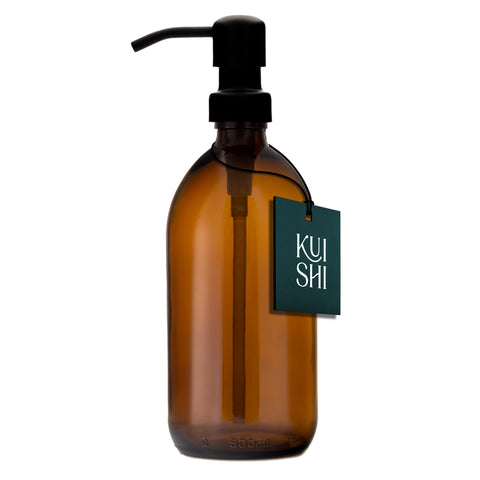
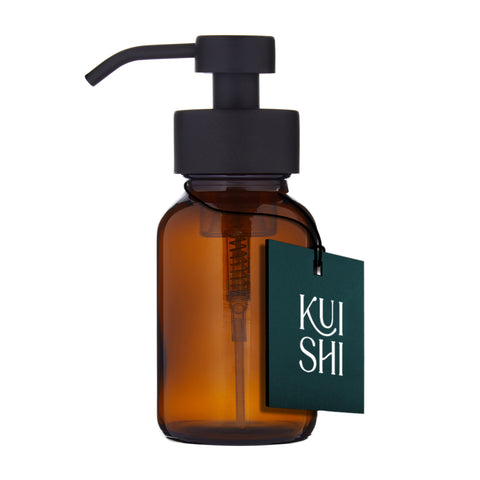
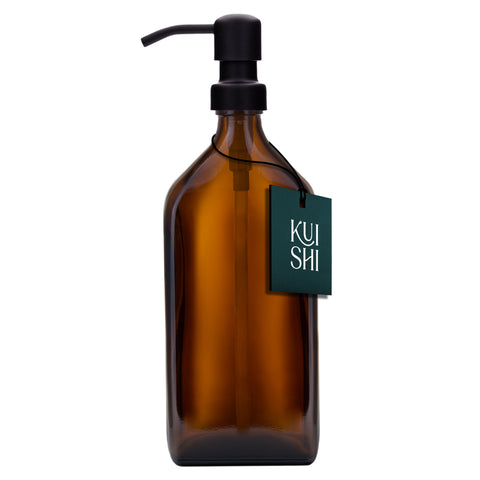
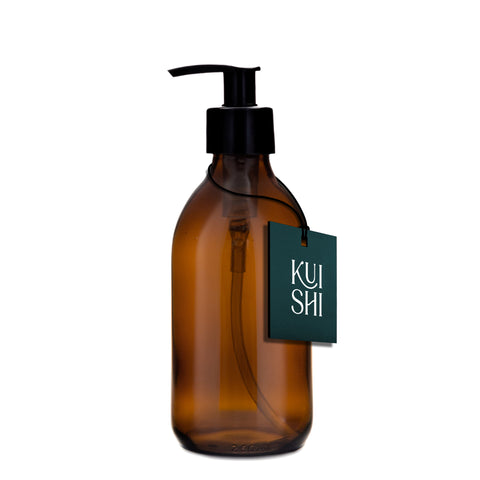
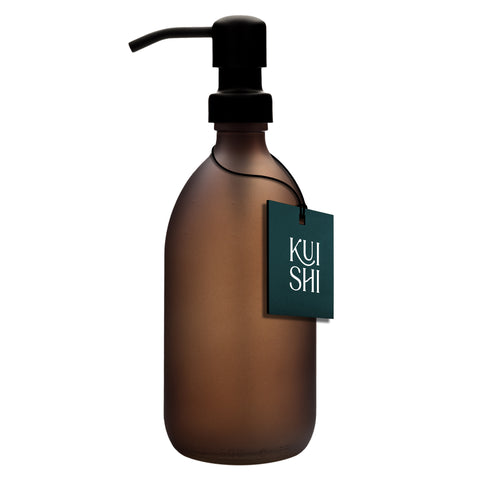
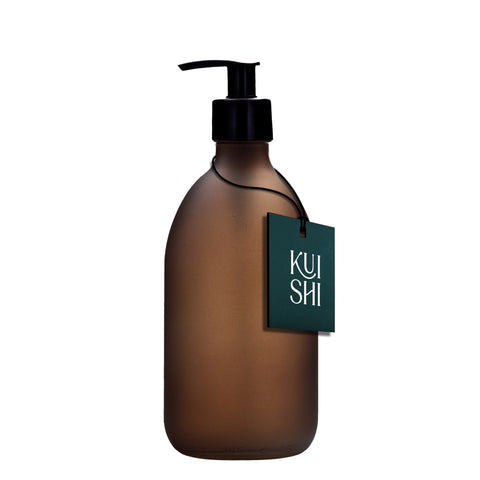
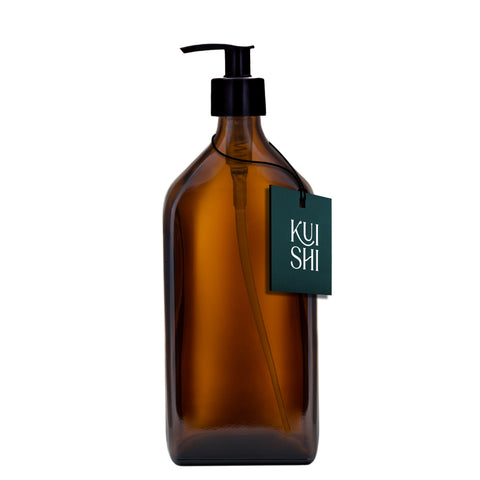
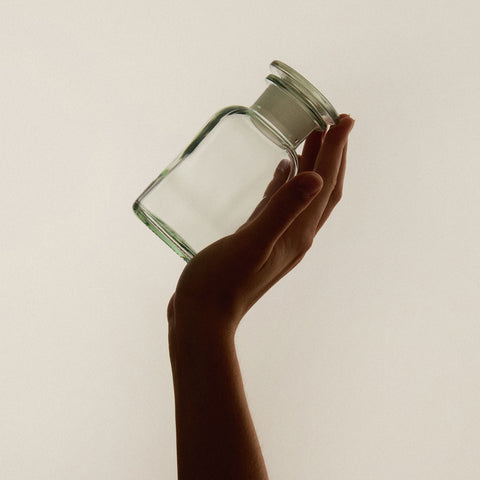
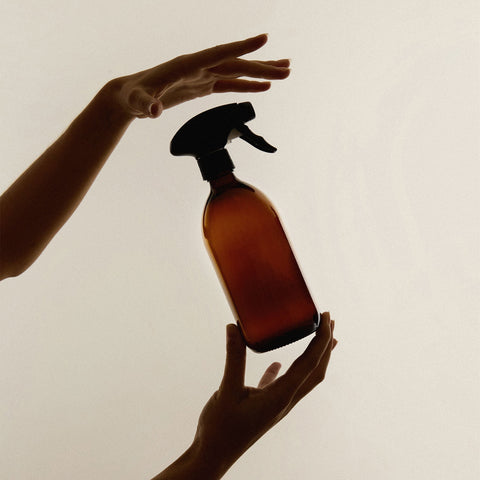
Luxury FinishesOur soap dispensers are made to last, our amber pump bottles are made from pure amber glass. We also offer some beautifully finishes like our luxury matt black, or frosted finishes to suit any look.
SustainableOur refillable soap bottles have been made from up to 45% recycled glass. We have also conducted a life cycle assessment of our glass bottles and offset the carbon used to not only manufacture and deliver it to you but also take into account the bottles end of life.